







Search Results for: Worka Red Cherry
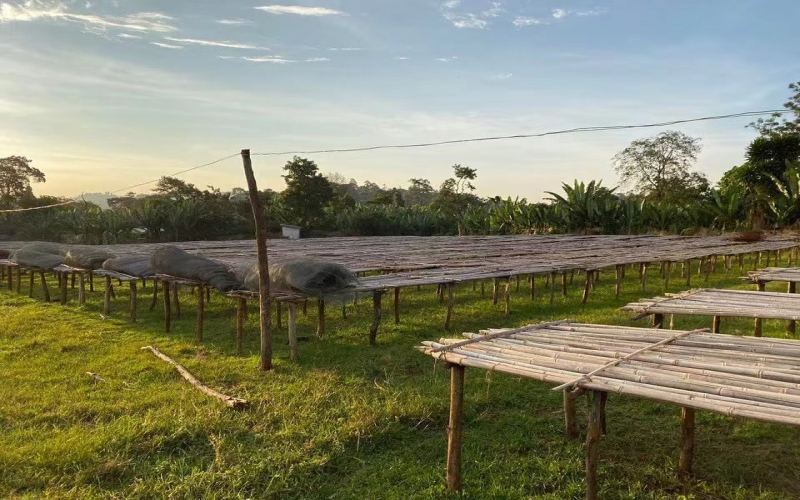
Detailed Comparison of Natural and Washed Processing Methods for Yirgacheffe: Flavor and Mouthfeel Contrast, with a Front Street Coffee Worka Red Cherry Recommendation
The Yirgacheffe region in Ethiopia is synonymous with specialty coffee, and the two processing methods—washed and natural—give coffee beans截然不同的 flavor profiles. Washed Yirgacheffe is known for its clean, fresh character and bright acidity, while natural Yirgacheffe stands out with its juicy body and pronounced sweetness. This article starts with Front Street Coffee's Worka Cooperative washed beans and Red Cherry natural beans, offering a detailed analysis of the process flows, flavor differences, and roasting and brewing recommendations for both processing methods, helping coffee enthusiasts gain a comprehensive understanding of Yirgacheffe's allure. [more…]
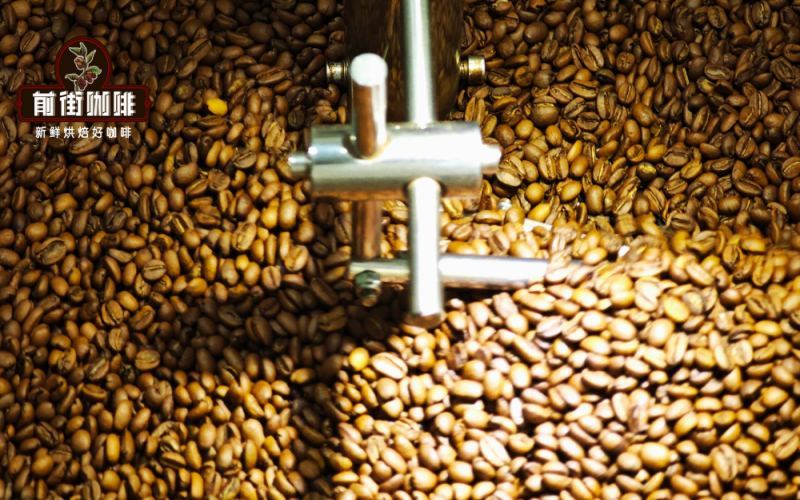
Practical Comparison of Japanese-Style Slow Roasting vs. Nordic-Style Fast Roasting: Roast Curves and Cupping Flavor Differences of Yirgacheffe Worka Red Cherry
The two major schools of coffee roasting—Japanese slow roasting and Nordic fast roasting—reflect fundamentally different philosophies of tasting: the Japanese value a rich, clean mouthfeel, while the Nordics prefer bright, elevated acidity and aroma. This time, Front Street Coffee selected the sun-dried Yirgacheffe Worka Red Cherry and, through two actual roasting curves, compares the differences between slow roasting and fast roasting one by one—from airflow and heat adjustment, the pace of temperature rise, to the appearance of the roasted beans and cupping performance. Slow roasting is like braising pork until tender, letting heat penetrate evenly; it results in a high degree of development, rounded sweetness, and a short resting period. Fast roasting emphasizes the efficiency of hot air and pursues bright floral and fruity aromas, but it demands stricter quality from the green beans. The article also introduces the origin background of the Worka cooperative and the division of labor at the Banko processing station, and, combining green bean grade, appearance consistency, and actual cupping results, sorts out the applicable scenarios and flavor orientations of the two roasting methods for coffee lovers' reference. [more…]
What's the difference between Japanese-style slow roasting and Nordic fast roasting? An in-depth analysis of the flavor differences in Yirgacheffe Worka Red Cherry roasting.
What are the essential differences between the two major schools of coffee roasting—Japanese-style slow roasting and Nordic-style fast roasting—in terms of technique and flavor expression? This article uses Front Street Volcán Red Cherry coffee beans (natural process) as a sample, and through a comparison of two actual roasting curves, breaks down each stage one by one, from charge temperature, heat and airflow adjustment, to the yellowing point and first crack development. Japanese-style slow roasting pursues a steady mouthfeel, pronounced caramelization, and high consistency, with a short resting period; Nordic-style fast roasting emphasizes lifted floral and fruity aromas and a tea-like entry, but places higher demands on green bean quality. The article also analyzes dimensions such as roasted bean appearance, ground coffee color differences, and cupping performance, leading you to a comprehensive understanding of how these two roasting philosophies shape the final flavor of coffee. [more…]
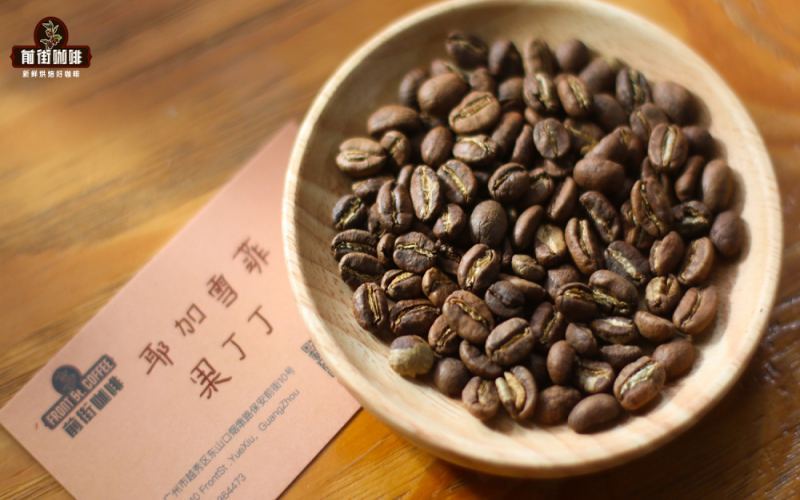
Exploring the Worka Cooperative Under Ethiopia's YCFCU System: An Analysis of Anaerobic Natural Yirgacheffe G1 Green Beans
Yirgacheffe is known to most people for its washed processing, such as Front Street Coffee's Gedeb Gotiti Cooperative, which, by removing the fruit skin and pulp, delivers a clean flavor and, through a medium-light roast, presents notes of white florals, honey, citrus, and green tea. However, natural and anaerobic natural Yirgacheffe are equally worth attention. Front Street Coffee's Red Cherry has a slight fruity fermentation aroma, while the newly launched Front Street Coffee Worka Cooperative coffee beans display rich layers of berry and floral notes. This article will take an in-depth look at this single-farm-origin bean, sorting out the Worka Cooperative's origin background, the structure of the YCFCU alliance, and how anaerobic natural processing shapes its unique flavor. [more…]
Yirgacheffe Coffee Flavor Analysis: The Origin Stories of the Guddina Cooperative and the Red Cherry Project
The Yirgacheffe region of Ethiopia has long been renowned worldwide for its bright, delicate coffee flavors, and on this high-altitude land, the Gotiti Cooperative and the Red Cherry Project represent two directions in specialty coffee's relentless pursuit of excellence. This article will begin with the history of the Yirgacheffe region, tracing its process of independence from the Sidamo sub-region, and analyzing how washed and natural processing methods have shaped the flavor profile of local coffee; it will then delve into the independent story of the Gotiti Cooperative and its washed processing workflow, before systematically outlining the origins, standards, and operating mechanisms of the Red Cherry Project, and finally, using two Yirgacheffe beans from Front Street Coffee, comparing the actual in-cup performance of Red Cherry and Konga. [more…]
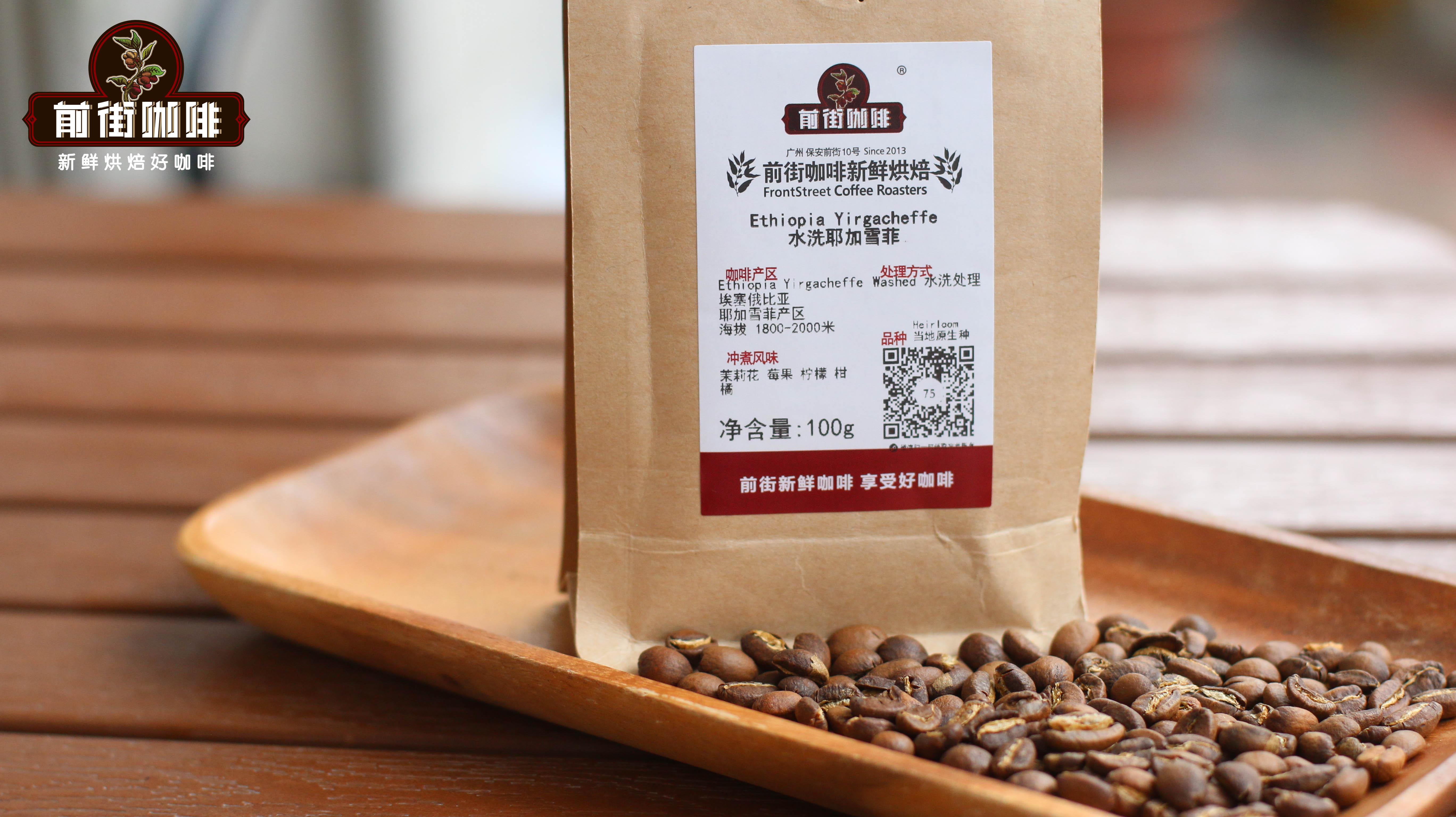
Yirgacheffe Natural vs. Washed: How to Choose? A Full Guide to G1 Grade Flavor, Mouthfeel, and the Red Cherry Project
Yirgacheffe is one of Ethiopia's most renowned coffee regions, and its natural and washed processing methods present completely different flavor profiles. Starting from Front Street Coffee's bean list, this article outlines the regional background of Yirgacheffe, the washed processing technique of the Gedeb cooperative, and the story behind the Red Cherry Project, and compares the cupping performance and brewing parameters of two G1 beans—Front Street Yirgacheffe Red Cherry (natural) and Front Street Yirgacheffe Konga (natural)—to help coffee enthusiasts understand how to choose between natural and washed coffees based on their taste preferences. [more…]
Yirgacheffe Coffee Flavor Analysis: Origin, Variety, Processing Methods, and Front Street Coffee's Gutingding Red Cherry Characteristics
Yirgacheffe is one of Ethiopia's most representative specialty coffee regions, famous for its clean, transparent mouthfeel and bright citrus-lemon acidity. This article starts with two beans from Front Street — the Gudingding washed and the Red Cherry natural — and systematically sorts out the origins of Yirgacheffe's flavor across three dimensions: regional background, native varieties, and processing methods. The article also introduces the geographical conditions of the town of Yirgacheffe, the regional divisions under the ECX system, and the meaning behind the name "yirga cheffe." Whether you are a beginner just getting into specialty coffee or a seasoned drinker looking for high-value everyday beans, you can gain a clear understanding of the origin and a reference for choosing beans. [more…]

Yirgacheffe's Two Processing Methods Explained: How Washed and Natural Shape Classic Flavors
Yirgacheffe, as Ethiopia's most renowned specialty coffee region, produces two dramatically different flavor profiles through its washed and natural processing methods. Washed processing brings bright acidity and white floral notes, while natural processing presents intense berry flavors and fermented sweetness. Front Street Coffee uses the Gotingding Cooperative's washed beans and the Red Cherry Project's natural beans as examples to explain in detail the process flow, quality control, and brewing performance of both processing methods, guiding you to a deeper understanding of the flavor logic behind Yirgacheffe's processing methods and the quality innovation significance of the Red Cherry Project. [more…]
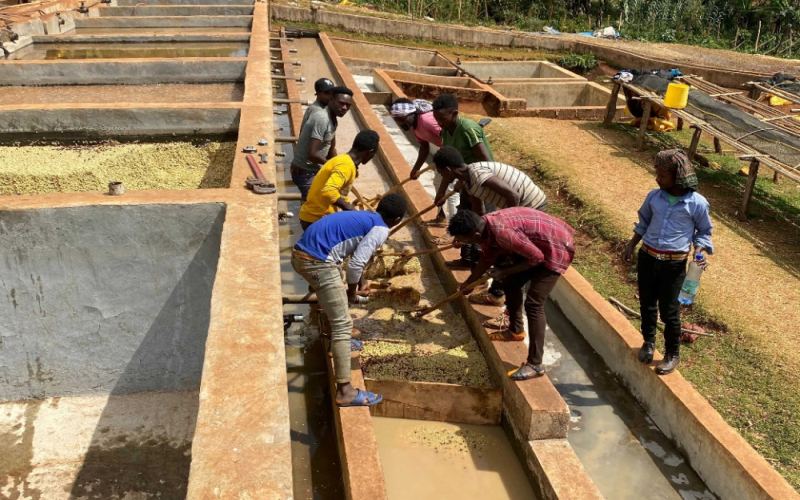
The Flavor Code of Natural Yirgacheffe Worka: An Analysis of a Specialty Coffee Bean with Citric Acidity and Floral-Fruity Notes
Yirgacheffe is one of Ethiopia's most representative specialty coffee regions, and its washed and natural processing methods present distinctly different flavor profiles. This article focuses on Front Street Coffee's Yirgacheffe Worka natural beans, systematically outlining the washed process workflow, pour-over extraction parameters, and the specific differences between natural and washed coffees in aroma, acidity, body, and aftertaste. It also traces the historical arc of Yirgacheffe's shift from traditional natural processing to washed, and then back to natural specialty processing, analyzing the origins of the "Yirgacheffe flavor" notes of jasmine, lemon, and citrus, and introducing the rigorous sorting standards and brewing performance of Front Street Coffee's Natural Red Cherry G1. [more…]
Yirgacheffe Sun-Dried Coffee Bean Flavor and Taste Analysis: A Full Overview of Varieties, Regions, Grades, and the Red Cherry Project
Yirgacheffe is one of Ethiopia's most renowned coffee-producing regions, and its natural-process beans are celebrated for their bright acidity and rich fruity aromas. This article starts with the region's evolution, variety grading, and processing method differences to provide an in-depth analysis of the flavor and mouthfeel characteristics of natural Yirgacheffe, and introduces representative products on Front Street Coffee's bean list such as the Geddidio Cooperative, the Red Cherry Project, and the Konga Processing Station. It also outlines the origins, requirements, and contributions of the Red Cherry Project, as well as the cupping performance and brewing parameters of Front Street's two natural Yirgacheffe offerings, providing coffee enthusiasts with a complete guide to the region and its tasting. [more…]
Analysis of the Differences Between Natural and Washed Processing Methods for Yirgacheffe, with a Discussion of the Red Cherry Project
Yirgacheffe is one of the most recognizable coffee regions in Ethiopia, and the flavor differences brought about by its two processing methods—natural and washed—have long been a hot topic among coffee enthusiasts. In Front Street Coffee's bean list, the Ethiopian region has always occupied an important position. From the Gotiti Cooperative to the Red Cherry Project, each bean carries a unique story of terroir. This article will systematically sort out the development of the Yirgacheffe region, deeply compare the process characteristics and flavor performance of natural and washed processing methods, and at the same time explain in detail the origin and operation of the Red Cherry Project. Using the two beans Red Cherry and Konga as examples, it will also share Front Street Coffee's brewing parameters and tasting experience. [more…]
Comparison of Yirgacheffe Natural and Washed Processing Methods: Flavor Analysis of Gutinguting Cooperative and Red Cherry Project Coffee Beans
Yirgacheffe is Ethiopia's most recognizable specialty coffee region, captivating countless coffee lovers with its bright acidity and delicate floral and fruity flavors. This article begins with the region's history, tracing the process by which Yirgacheffe became independent from Sidama, and offers an in-depth introduction to the independent background of the Gedeb Cooperative and its washed processing methods. It also explains in detail the origins, operational methods, and quality standards of the Red Cherry Project, comparing the differences between Front Street Yirgacheffe Red Cherry coffee beans and Front Street Yirgacheffe Konga coffee beans in terms of brewing parameters and flavor performance, helping readers gain a comprehensive understanding of how the two processing methods—natural and washed—are specifically expressed in the Yirgacheffe region. [more…]
Yirgacheffe Washed Bean Flavor Analysis: A Practical Guide to Hand-Brewing Water Temperature and Coffee-to-Water Ratio for the Gotiti Cooperative
Yirgacheffe is one of Ethiopia's most recognizable coffee regions, and its washed beans are known for bright acidity and white floral aromas. Starting from Front Street Coffee's bean list, this article reviews the evolution of the Yirgacheffe region, the independent journey of the Gudingding Cooperative and the washed processing workflow, and also introduces the origins of the Red Cherry Project and its cupping standards. It also includes brewing parameters and flavor descriptions for two natural beans from Front Street Coffee, Yirgacheffe Red Cherry and Konga, offering pour-over enthusiasts reference water temperatures, coffee-to-water ratios, and extraction techniques. [more…]
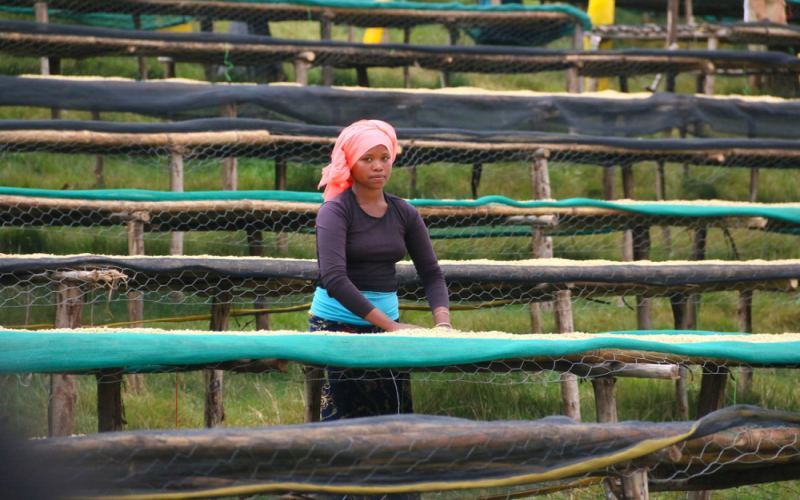
What is the flavor of Yirgacheffe Worka coffee beans? A detailed explanation of the Worka cooperative producing region and the development history of Yirgacheffe
Yirgacheffe is a signature growing region for specialty coffee in Ethiopia, and the Worka cooperative is a particularly representative producer within this region. This article begins with the origins of coffee, tracing how coffee spread from its African homeland to Yemen and then to the Netherlands, before focusing on Yirgacheffe's unique terroir—the microclimate woven together by misty valleys, lakes, and wetlands—to explain the source of its flavor profile, which blends floral and fruity notes. At the same time, the article compares how the two processing methods, natural and washed, affect Yirgacheffe's flavor, introduces the strict standards of the Worka cooperative in red cherry picking, sorting, and drying, and presents the specific characteristics of Front Street Yirgacheffe in dry aroma, wet aroma, mouthfeel, and roasting performance, giving you a comprehensive understanding of what makes this bean so appealing. [more…]

A Comprehensive Analysis of the Origins, Grading System, and Flavor of Yirgacheffe Worka Specialty Coffee Beans
Yirgacheffe is one of the highest-altitude coffee-growing regions in the world and a byword for floral and fruity aromas in the hearts of countless coffee lovers. This article starts from the region's history, grading system, and the background of its washing stations, and systematically traces the origins and development of Yirgacheffe Worka specialty coffee beans. It also introduces several representative products, including Front Street Gutingting, Front Street Kochere Estate Natural G1, Front Street ARICHA, and Front Street Natural Red Cherry, and combines cupping performance with roasting recommendations to help readers fully understand the terroir charm and flavor logic of this legendary region. [more…]

Ethiopian Yirgacheffe Worka Washed Heirloom: A Full Analysis of Grading Standards, Market Prices, Green Bean Characteristics, and Roast Levels
Yirgacheffe, as Ethiopia's most iconic specialty coffee region, has long held the position of the top entry-level choice for coffee enthusiasts, thanks to its signature floral and citrus notes. This article takes Front Street Coffee's Worka washed Yirgacheffe as an example to systematically review the terroir conditions of this region, background information on the Worka cooperative, the washed processing flow, and the definition and distribution characteristics of heirloom varieties. It also provides a detailed interpretation of the Ethiopian Commodity Exchange (ECX) coffee grading system, covering the scoring weights for physical characteristics and cup profile flavors, the logic behind the Q1 and Q2 grade classifications, and includes Front Street roaster's medium-light roast recommendations tailored to Yirgacheffe's acidity, offering a reference for purchasing and brewing. [more…]

A Comprehensive Analysis of the Flavor, Mouthfeel, and Aroma Characteristics of Yirgacheffe Worka Specialty Coffee Beans, with Front Street Coffee Recommendations
Yirgacheffe Worka, as one of the representatives of Ethiopian specialty coffee, is deeply favored by coffee lovers for its richly layered floral and fruity aromas and its bright, lively acidity. This article will describe in detail the flavor characteristics of Front Street Yirgacheffe from dimensions such as dry aroma, wet aroma, and the tasting experience, and will also introduce its producing region background, green bean appearance, processing method, and grading system. At the same time, it highlights two products, Front Street Red Cherry Natural Yirgacheffe and Yirgacheffe Aricha Grade 1, to help readers fully understand this specialty coffee that combines fruity notes with a syrupy sweetness. [more…]

From Yirgacheffe to Golden Mandheling: A Complete Guide to Choosing Front Street Coffee's Hand-Brewed Specialty Single-Origin Beans
What kind of beans deserve to be called specialty? And which one should a beginner start with for pour-over? This article begins with the "taste of place" proposed by Ms. Knutsen in 1974, outlines the SCAA's 80-point cupping standard, and introduces Front Street Coffee's lineup of over 50 beans cultivated over more than a decade, along with the freshness guarantee of roasting and shipping on the same day an order is placed. Then, following three main directions—floral and fruity, fermented winey, and traditionally rich—it explains one by one the origins and flavor characteristics of ten single-origin beans, including Yirgacheffe Red Cherry, Gutingding, Woka, Costa Rica Honey-Processed Blackberry and Mozart, PWN Golden Mandheling, Brazil, Blue Mountain No. 1, and Bird of Paradise, helping you find the cup that suits you best. [more…]
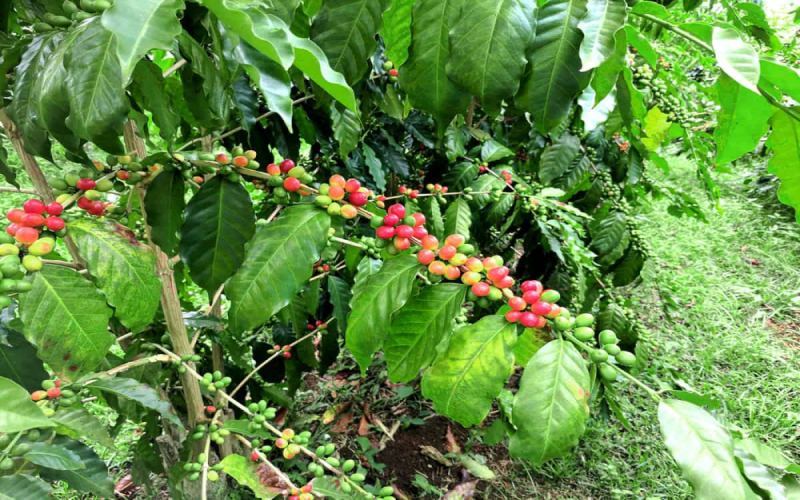
Yirgacheffe Gedeb Natural Bean Flavor Analysis and Pour-Over Parameters Explained
Yirgacheffe is both a well-known coffee-producing region in Ethiopia and an important byword for specialty coffee flavor. This article focuses on Front Street Coffee's Gotingding Cooperative coffee beans, outlining the background of the Yirgacheffe region, the differences between washed and natural processing methods, the origin of the Red Cherry Project, and Front Street Coffee's roasting approach and pour-over parameters for Yirgacheffe. It also compares the flavor profiles of the washed Gotingding and natural Red Cherry beans, helping coffee lovers gain a more comprehensive understanding of Yirgacheffe's appeal and master the key details for everyday brewing. [more…]
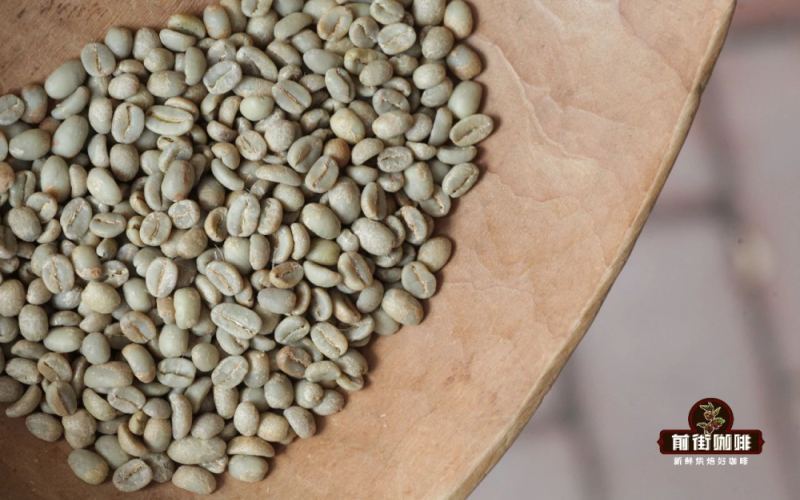
Ethiopian Heirloom Coffee Beans Explained: Differences from Landrace Varieties and Grading Standards
Ethiopia, as the birthplace of coffee, boasts an astonishing variety of cultivars, with nearly 2,000 varieties recorded to date, of which 1,927 are native varieties. Ethiopian coffee beans commonly found on the market are mostly labeled as Heirloom native varieties, but in recent years Landrace local varieties and numbered varieties have gradually gained popularity. In this article, Front Street Coffee will systematically sort out the definition, classification, and identification challenges of Heirloom native varieties, analyze the origins of Landrace and numbered varieties, and introduce in detail Ethiopia's coffee bean grading standards. Finally, it recommends a number of Front Street selected Ethiopian native varieties, covering well-known products such as Gedeb, Red Cherry, Woka, Aricha, and Huakui 5.0, with roasting and brewing data shared as well. [more…]